An integrated methodology for turning degraded land into structured restoration projects
At LDN Advisory, our methodology is not a theoretical layer. It is the process through which degraded land is assessed, organised into a coherent land-use vision, and translated into a project that can be governed, financed, and implemented over time.
Our Integrated & Regenerative approach
This is what we call our Integrated & Regenerative approach: a methodology designed to restore ecological functions, organise land uses into a coherent landscape mosaic, and build projects that are socially grounded, operationally realistic, and economically structured.
Our approach is built to combine agroforestry systems, productive land uses, ecological corridors, restored natural areas, and protective interventions such as riverside plantings, depending on the conditions of each site.
In that sense, regeneration is not only ecological. It is also territorial, social, and economic: it means rebuilding the functionality of a landscape while creating the conditions for a credible long-term project.
Our methodology in 3 phases
Our work moves through three main stages, from opportunity identification to implementation structuring. Each phase is designed to answer practical questions, reduce uncertainty, and produce actionable outputs.
Opportunity & feasibility
At this stage, we test the project’s practical relevance: is restoration feasible, beneficial, and coherent at this scale? Should the selected land be considered on its own, or as part of a larger restoration area? What forms of support, alignment, or seed funding would be needed to move forward?
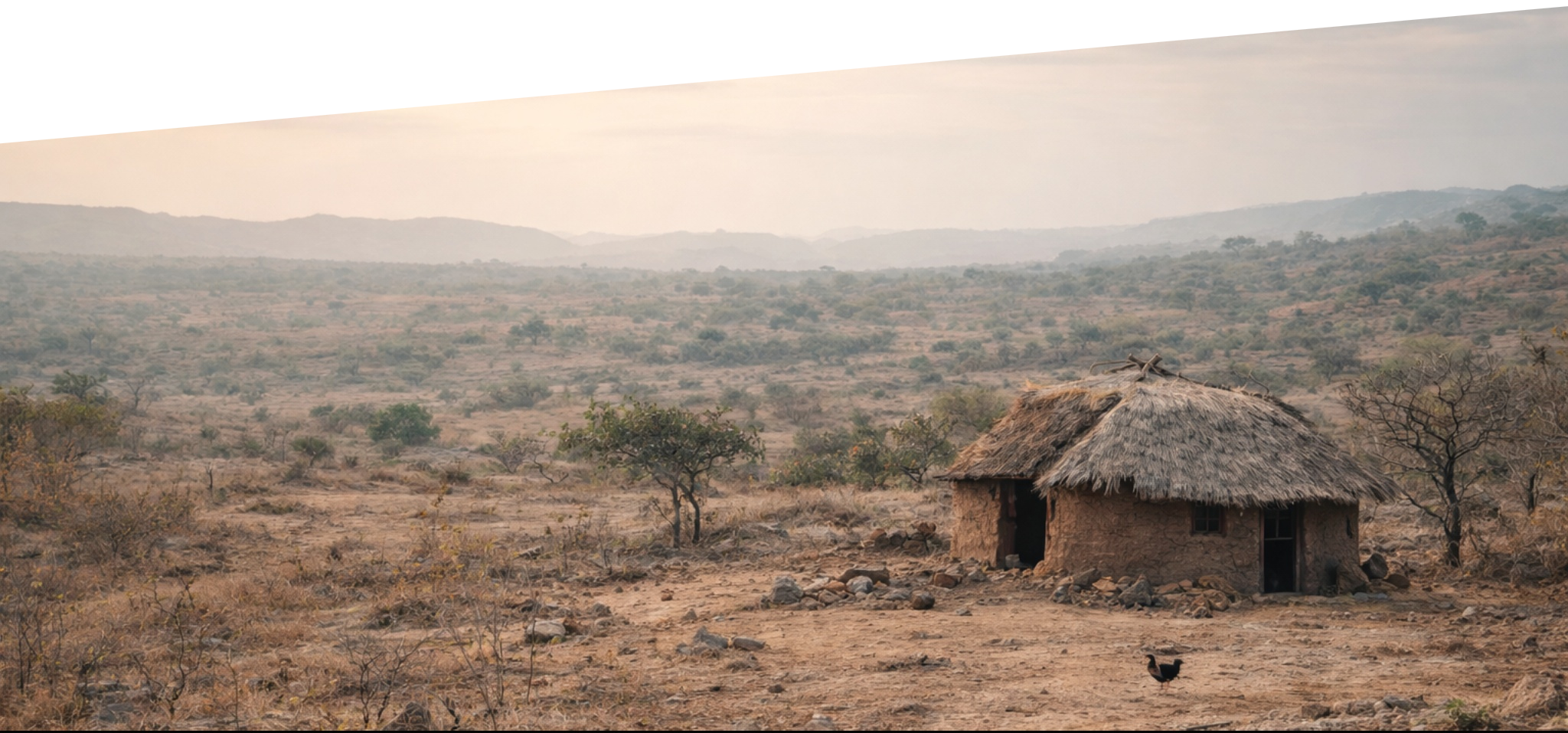
OUTPUT: a preliminary opportunity and project framing that helps align stakeholders and determine whether deeper analysis should be launched.
Project design & analysis
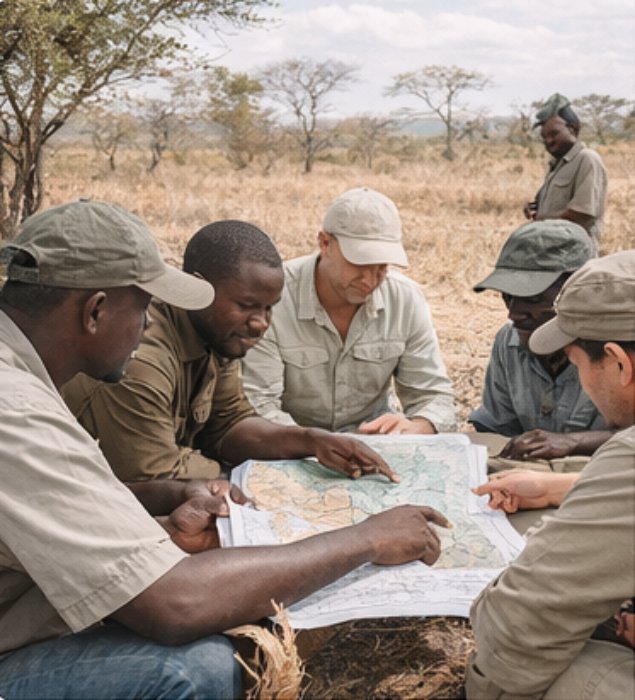
Once the opportunity is validated, we move into deeper analysis. This phase combines spatial and non-spatial data, field observations, stakeholder inputs, and restoration design logic to build a more robust picture of the project.

OUTPUT: an analytical and design base that supports project structuring, scenario building, and informed decision-making.
Implementation roadmap
In the final phase, the assessment is translated into a project pathway. Priority interventions are identified, costs and benefits are analysed, carbon implications are assessed, governance options are clarified, and the implementation logic is sequenced.
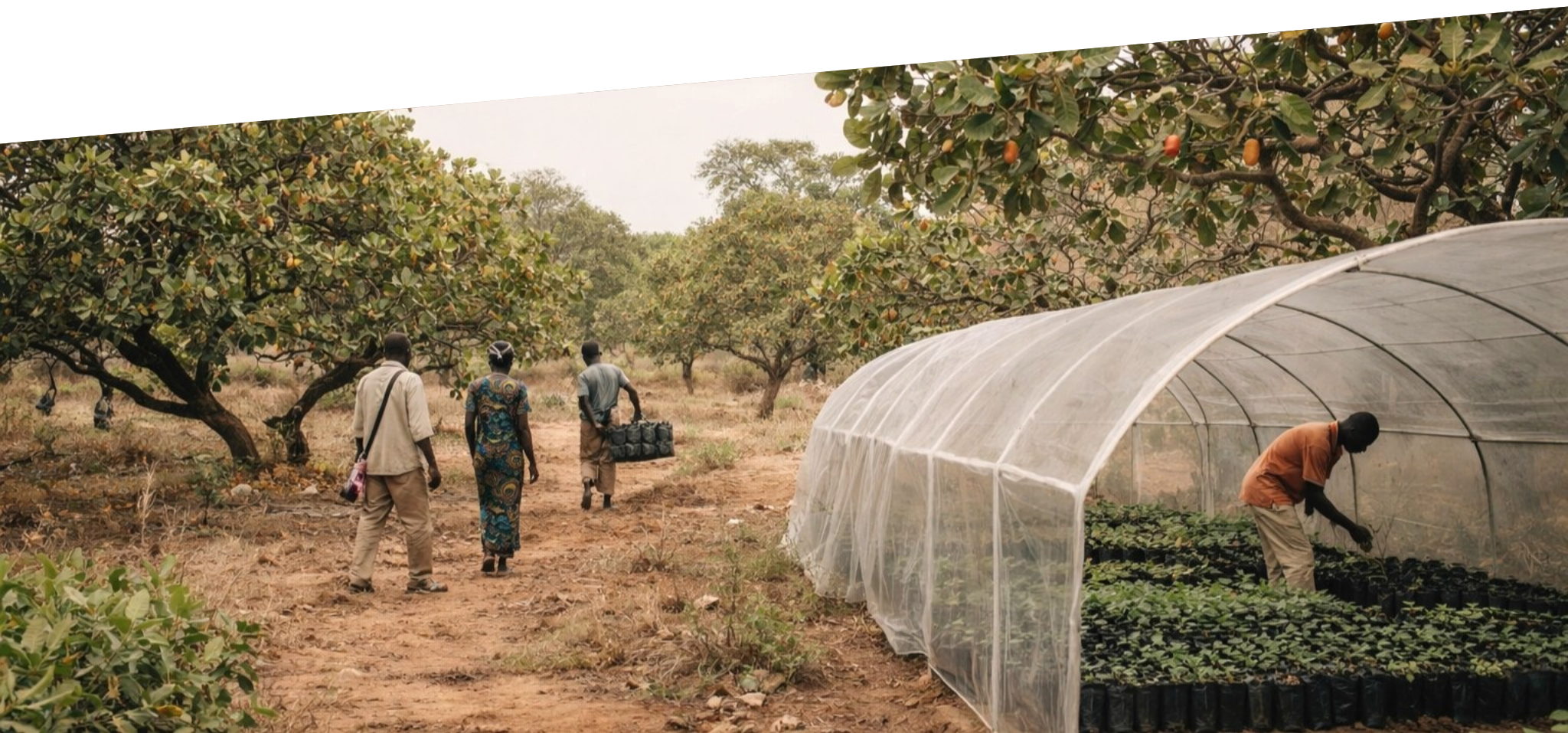
OUTPUT: a practical roadmap that transforms assessment work into a structured implementation agenda.
What this methodology makes possible
A strong methodology does more than describe a site. It helps determine where restoration should happen, what form it should take, how it should be sequenced, and which conditions must be in place for implementation to succeed.
It transforms degraded land from a broad restoration ambition into a territorial project with defined interventions, clearer governance, stronger stakeholder alignment, and a more credible path toward funding and execution.
Looking to structure a restoration project on solid foundations?
Whether you are a public actor, landowner, investor, or technical partner, we can help turn restoration intent into a structured, credible, and executable project framework.