
Coffee Geographical Indication Project.
In the hills of western Rwanda, coffee is more than an agricultural commodity. It is a marker of landscape, know-how and community identity.
Together with CIRAD, LDN Advisory is contributing to a pilot Geographical Indication initiative in the districts of Rutsiro and Rubavu, designed to strengthen the recognition, protection and commercial value of Rwanda’s specialty coffee.
The project combines territorial analysis, stakeholder engagement and long-term sustainability planning to help transform a high-quality coffee origin into a more resilient and better-structured value chain.
Turning a recognized coffee landscape into a protected origin
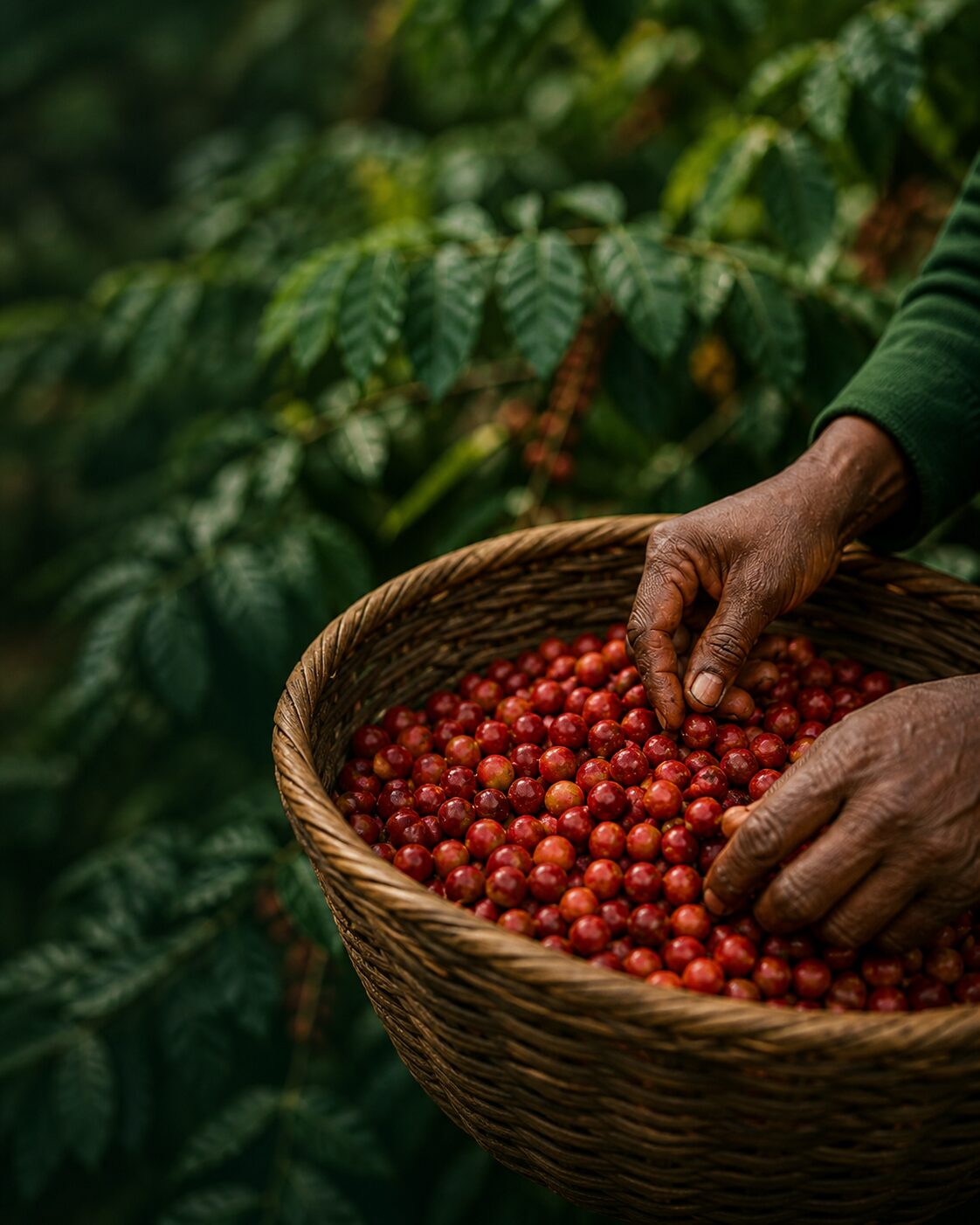
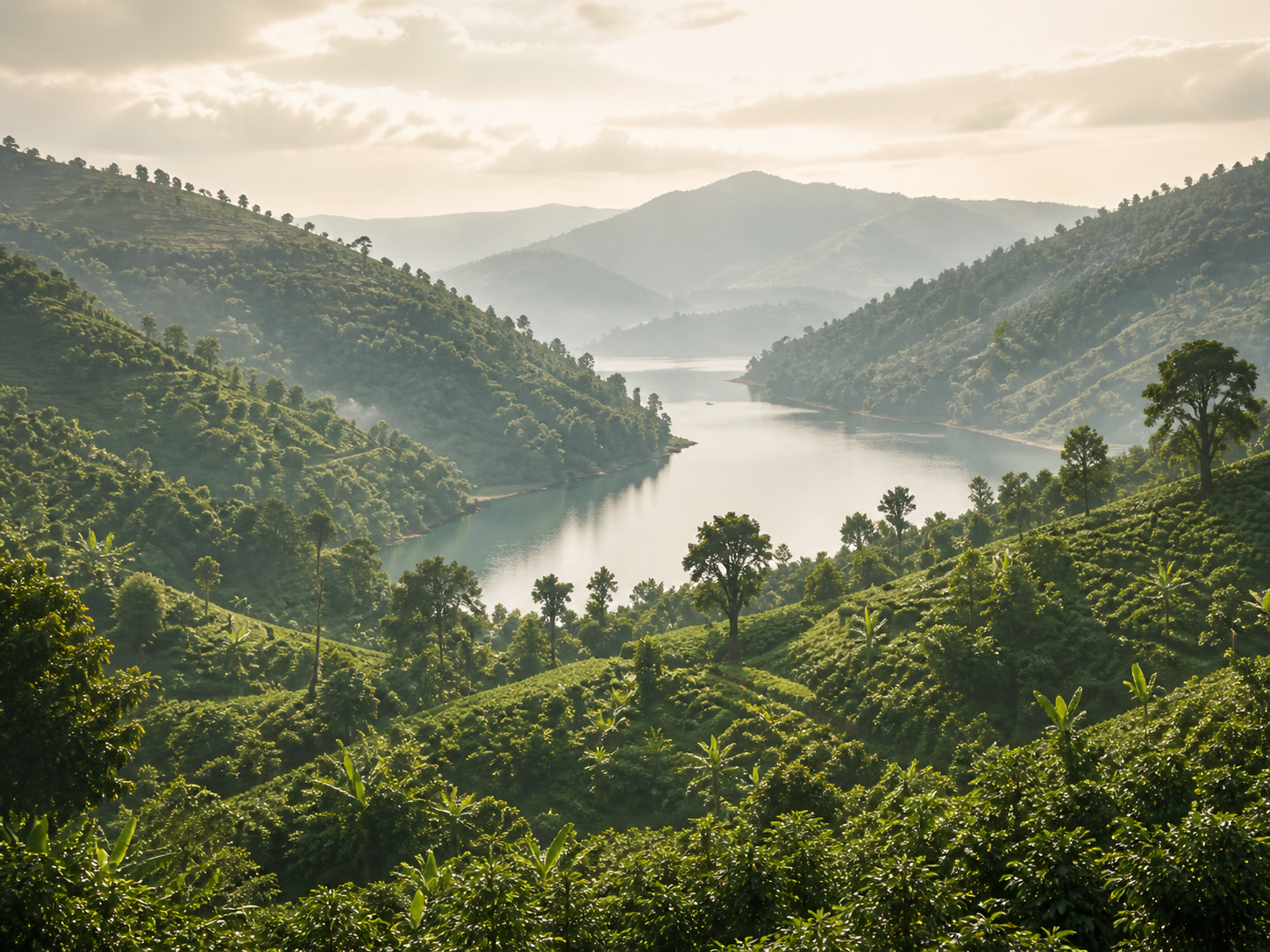
Western Rwanda already has the essential ingredients of a distinctive coffee origin: highland landscapes, smallholder know-how, local washing stations and a production identity shaped by the hills around Lake Kivu.
Yet quality alone is not enough to secure long-term value. Without a stronger territorial framework, the connection between place, practices and product quality can remain difficult to demonstrate, protect and monetize.
The Geographical Indication project creates a pathway to make this origin more visible, more traceable and more resilient. It helps organize the coffee value chain around a shared identity, while laying the groundwork for better market recognition, stronger producer coordination and long-term investment in the sustainability of coffee production.

Landscape identity
Coffee quality is anchored in a specific geography, shaped by altitude, soils, climate and local farming practices.

Traceable origin
The project helps connect product quality with place, practices and recognized territorial characteristics.

Shared value chain
The process supports coordination between producers, cooperatives, washing stations and institutional partners.
Terroir
A unique combination of landscape, soils, climate and local know-how
Market recognition
Stronger visibility and differentiation in domestic and international markets.
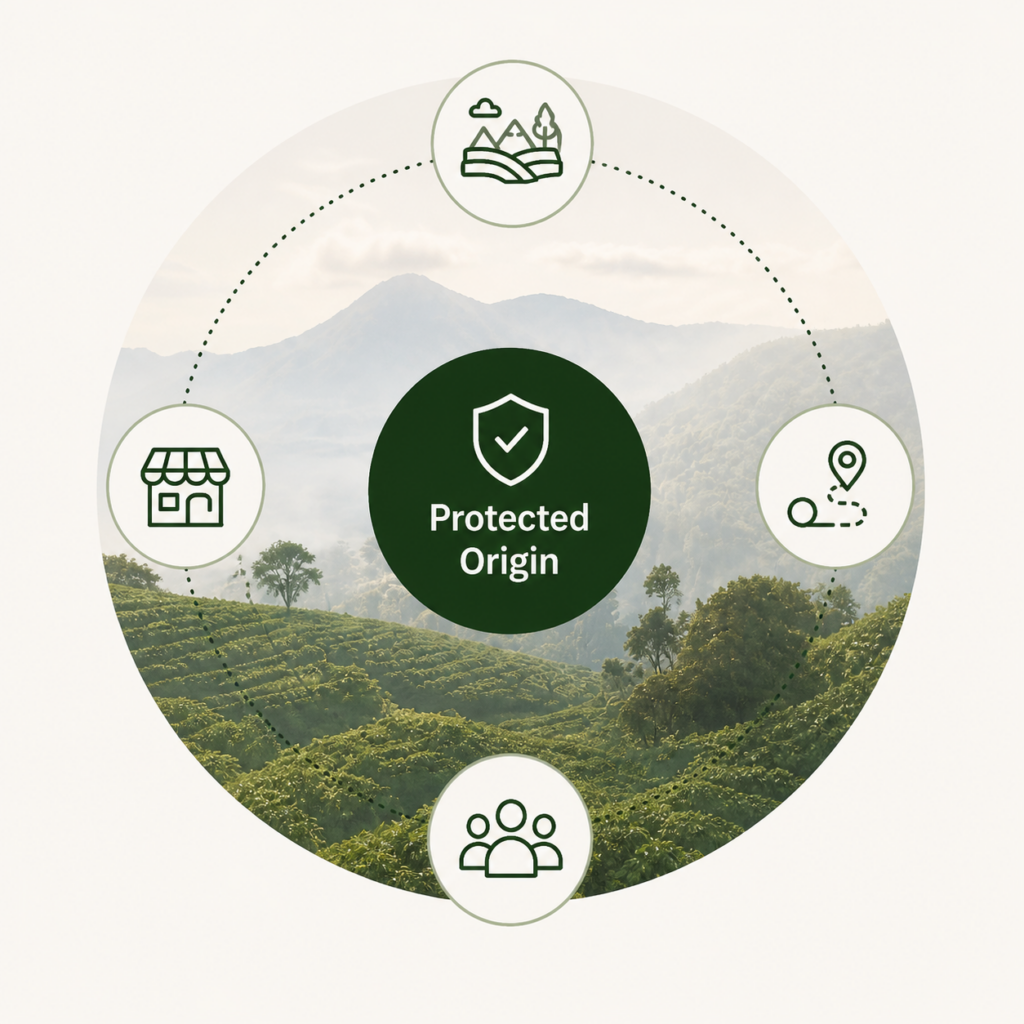
Traceability
A clear link between place, practices and product quality.
Producer coordination
stronger collaboration between producers, cooperatives and other value chain actors.
Geographical Indication, more than a label: a framework to protect origin and organize value
A Geographical Indication is not based on a generic product standard. It is built around a recognized origin — a name, a place and a set of characteristics that link product quality to a specific territory.
For Rwanda’s coffee sector, this creates a strategic opportunity: to make the connection between terroir, farming practices, processing know-how and cup quality easier to demonstrate, protect and promote.
When properly structured, a Geographical Indication can help increase market visibility, reduce the risk of origin misuse or fraud, strengthen collaboration between producers, and support better long-term value distribution across the coffee chain. The project documentation also highlights its potential role in supporting forest biodiversity, maintaining local jobs and increasing farmers’ revenues.

The goal is to turn origin into an asset — not only for the product, but for the people and landscapes behind it.
Mapping the landscapes, actors and terroirs behind Rwanda’s coffee identity
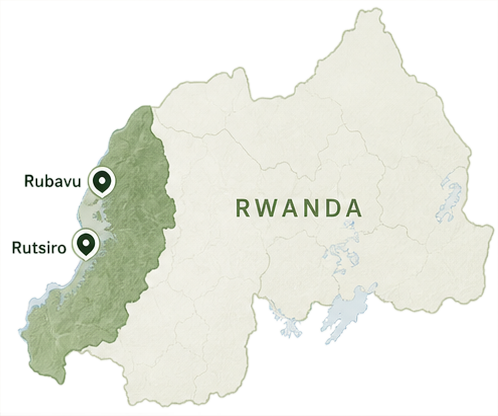
The pilot project focuses on the districts of Rutsiro and Rubavu, in western Rwanda — a coffee-growing landscape shaped by hills, smallholder farms and local processing infrastructure.
LDN Advisory’s work contributes to the characterization of the region, combining landscape analysis, stakeholder mapping and field-based understanding of the coffee production areas. The objective is to identify the specific coffee terroirs of the pilot zone and better understand how geography, climate, land use, farming practices and washing stations interact to shape product identity.
This territorial reading is essential. It helps connect coffee quality with the places and practices that produce it, while identifying the ecological or human pressures that could weaken the long-term sustainability of coffee production and related ecosystem services.

Before an origin can be protected, it must be understood, mapped and collectively recognized.
1
Landscape analysis
2
Actor mapping
3
Terroir characterization
4
Sustainability risks
From territorial diagnosis to an actionable sustainability roadmap
LDN Advisory’s contribution begins with a detailed understanding of the pilot area: its landscapes, coffee terroirs, production zones, washing stations and local stakeholder dynamics.
This diagnostic work combines secondary data, field visits and direct exchanges with coffee-sector actors. It helps reveal how environmental conditions, farming practices and local infrastructure shape the identity and quality of the coffee produced in Rutsiro and Rubavu.
But the objective goes beyond mapping. By identifying the pressures that could weaken ecosystem services and coffee production over time, LDN Advisory helps translate territorial analysis into a medium- and long-term investment roadmap for the pilot zone.

1
Read the territory
Landscape, hydro-topography, climate, land use and local history.

2
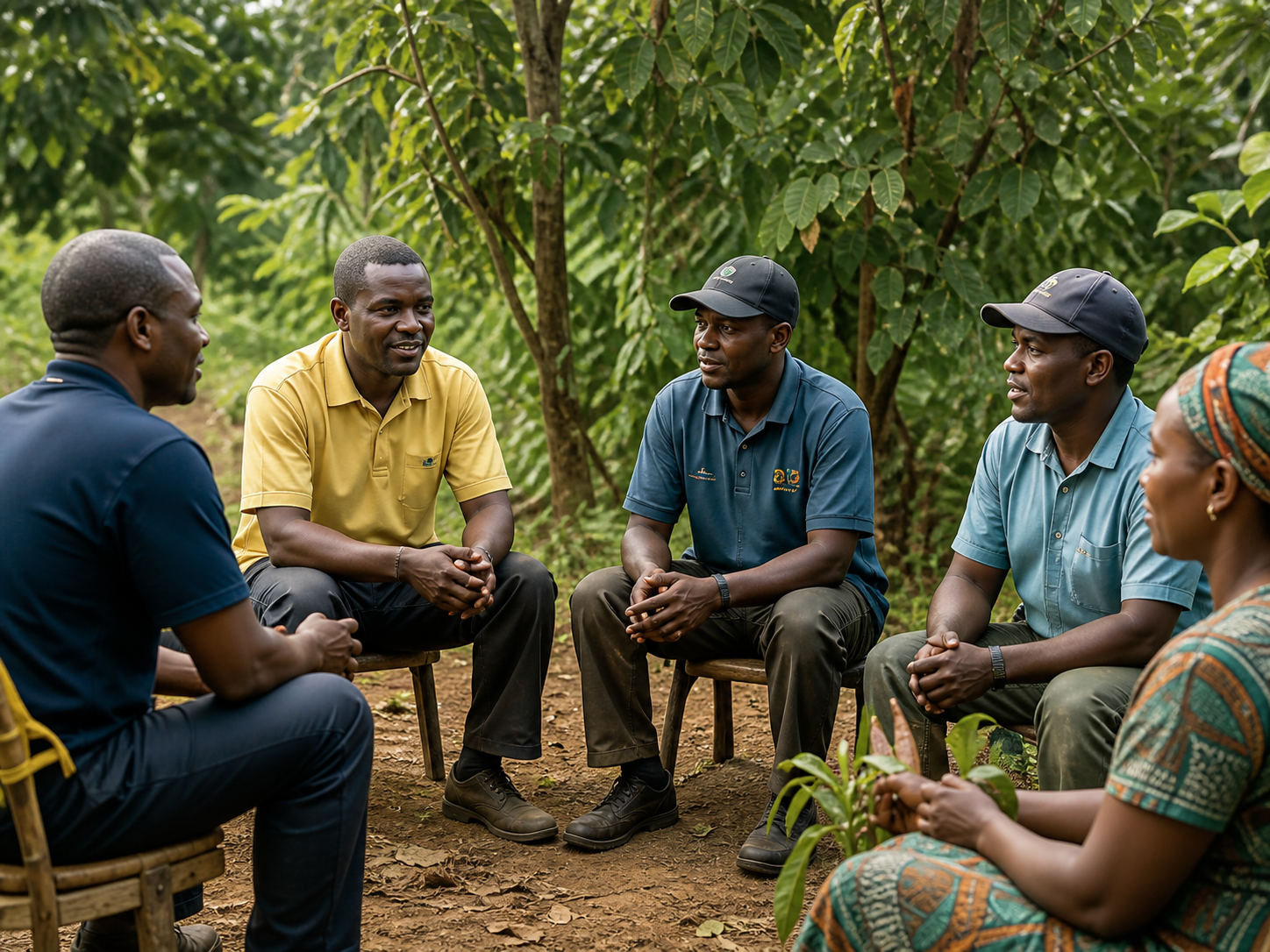
Engage the actors
Coffee producers, cooperatives, washing stations and local stakeholders.

3
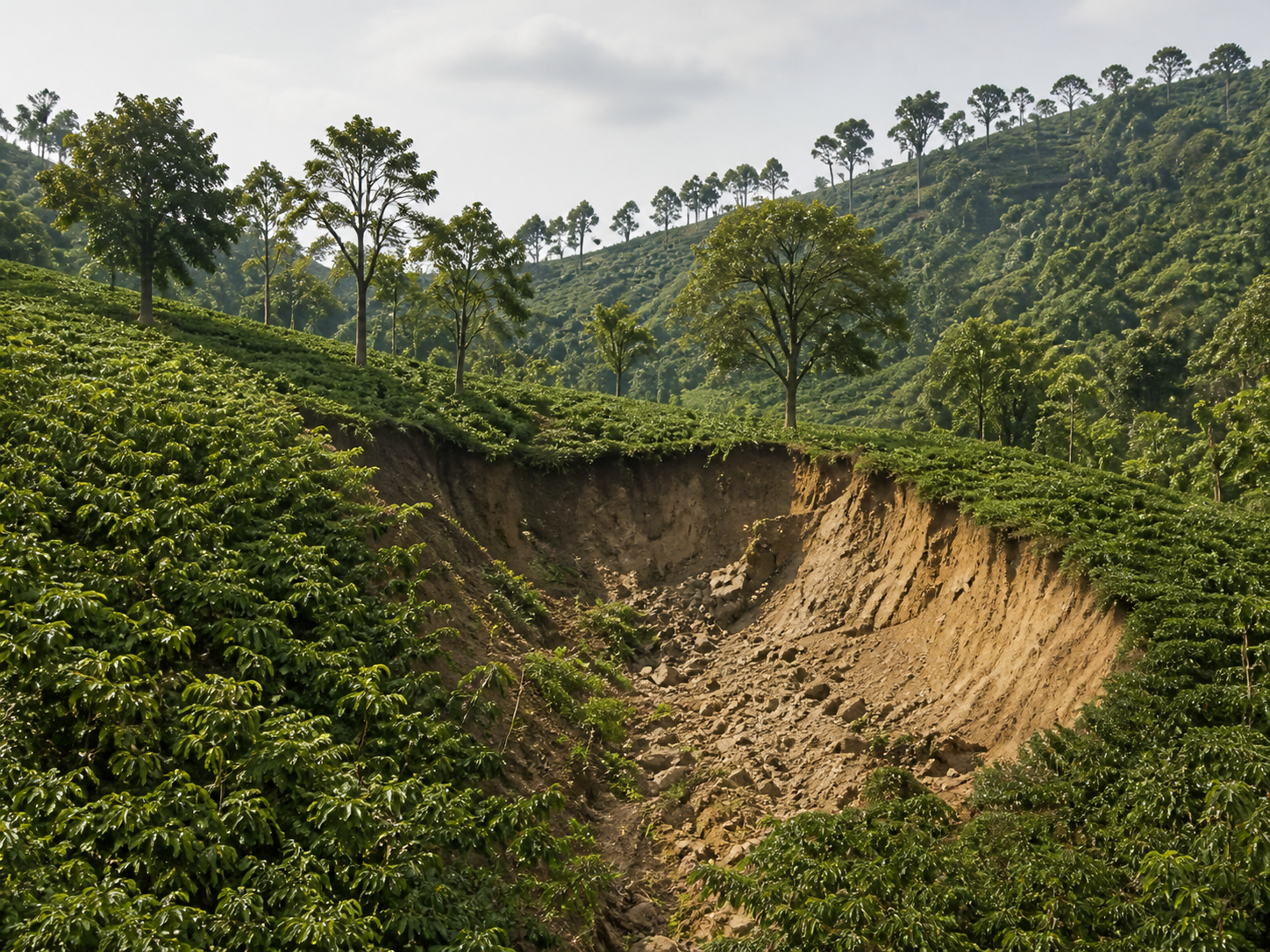
Identify risks
Anthropogenic pressures, ecosystem-service degradation and sustainability constraints.

4
Build the roadmap
Investment priorities to secure coffee quality, producer resilience and long-term value.
The role of LDN Advisory is to connect field intelligence with the decisions and investments needed to make the origin sustainable.
Turning territorial insight into practical support for coffee communities
Once the coffee terroirs, production areas and stakeholder dynamics have been characterized, the next step is to identify the investments that can make the origin more sustainable over time.

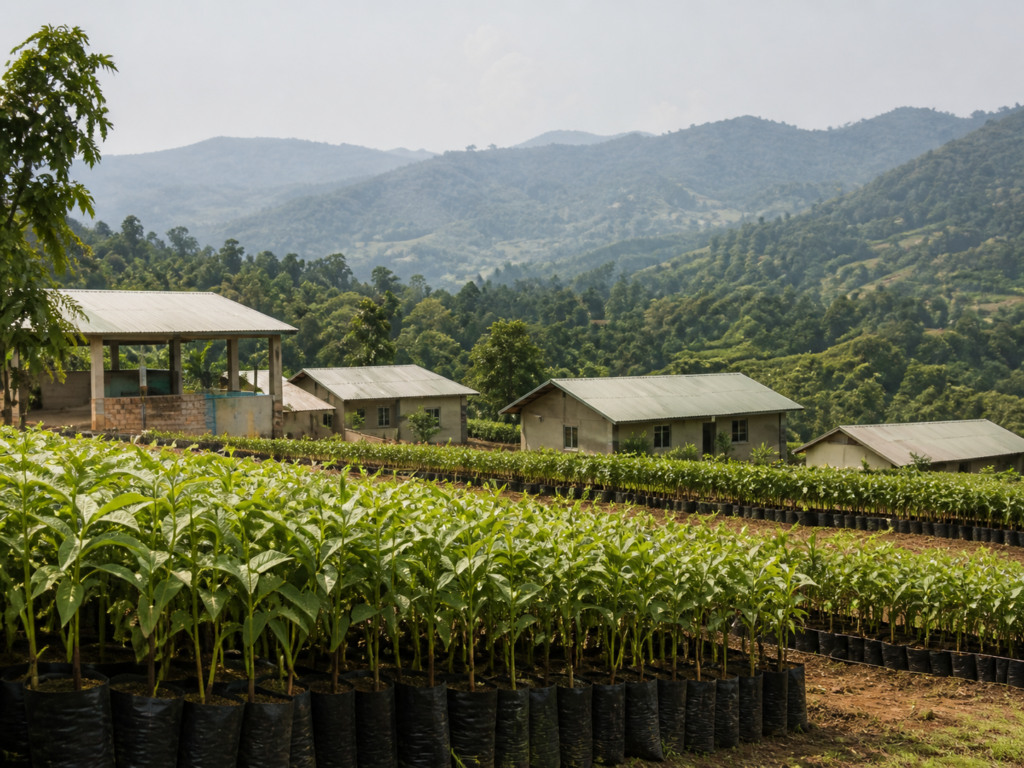
Rejuvenating plantations
Develop nurseries to renew ageing coffee trees and secure future productivity.

Reducing environmental impact
Create composting stations to improve soil management and reduce pressure on surrounding ecosystems.

Supporting smallholders
Use micro-credit and targeted support to help producers invest in better practices.

Securing long-term resilience
Strengthen land security and local capacity so that the value of origin remains anchored in the territory.
“
A protected origin only creates lasting value when producers have the tools, infrastructure and security to sustain it.
From recognized quality to shared territorial value
A Geographical Indication can help Rwanda’s coffee communities move beyond quality recognition alone.
By linking coffee identity to a clearly defined origin, the project supports stronger traceability, better market differentiation and greater protection against origin misuse. It also creates a common framework for producers, cooperatives, processing actors and institutional partners to organize around the long-term value of the territory.
The expected impact is not only commercial. It is about ensuring that the value created by Rwanda’s coffee origin remains connected to the smallholder communities, landscapes and local practices that make this coffee distinctive.
The value of origin should not leave the territory. It should help strengthen it.


●
Recognized quality
●
Protected origin
●
Market value
●
Territorial resilience
Building value from the ground up
LDN Advisory supports public institutions, development partners and local operators in structuring projects where land, communities and value chains need to be understood, organized and strengthened over time.
From territorial diagnosis to investment planning, we help transform local assets into credible platforms for sustainable development, resilience and shared value creation.